History of Islamabad Capital Territory: The Story Behind Pakistan’s Modern Capital
The History of Islamabad Capital Territory tells afascinating story of planning, vision, and transformation.Therfore, Today, Islamabad capital territory Pakistan is known as one of the most organized capitals in South Asia.Therfore, However, this modern city did not exist a century ago.Therfore, The region was once a quiet landscape surrounded by villages, hills, and rivers.
Over time, this peaceful area turned into the capital territory of Pakistan,Therfore, serving as the political and administrative center of the country. Initially ,The modern Islamabad federal territory was officially created in the 1960s to provide a well-planned capital city .Initially This article explores the origins, geography, people, culture, and development of this remarkable Islamabad administrative region.
Early History of the Region
The History of Islamabad Capital Territory reveals how Pakistan built a modern and carefully planned capital city from a quiet rural landscape.Therfore, Before Islamabad existed, the region near the Pothohar Plateau contained small villages, farmland, and historic settlements connected to ancient trade routes. Therfore, In the early 1960s, Pakistan decided to establish a new administrative center to replace Karachi as the national capital Therfore, . This decision led to the creation of Islamabad capital territory Pakistan, a unique federal region designed with organized sectors, green spaces, and modern infrastructure.Therfore, Today, the Islamabad federal territory stands as a symbol of national planning and progress.Therfore, Understanding the Islamabad territory history helps explain how this peaceful area evolved into the political and administrative heart of Pakistan.
Origins and Early Development of Islamabad Capital Territory
Early history of the region
Long before Islamabad existed, the region around the Pothohar Plateau was home to ancient civilizations. Moreover, Archaeological discoveries near the area show that peoplelived here thousands of years ago.Therfore, The nearby ancient city of Taxila played a major role in trade, education, and culture during the Gandhara civilization.
The early Islamabad territory history also includes rural settlements scattered around the Soan River valley. Therfore,Small farming villages relied on natural water sources and fertile land. Therfore,The presence of the Margalla Hills created a peaceful environment that attracted communities long before the modern city appeared.
Construction and development of the capital
In 1959, the government of Pakistan decided to create a new capital city.Therfore, Karachi was overcrowded and located far from many important regions of the country.Therfore, The leadership wanted a capital located closer to the center of Pakistan.
The project resulted in the creation of the Islamabad administrative region. Greek architect Constantinos Doxiadis designed the city using modern planning principles.Therfore, The new capital included organized Islamabad territory sectors,Therfore, wide roads, and government buildings surrounded by green areas. This planning approach helped the city grow smoothly while maintaining its natural beauty.
Modern Islamabad and recent development
Modern development has transformed Islamabad into a major political and economic center.Therfore, Today, the Islamabad territory economy benefits from government institutions, international organizations, and growing technology industries. The city has also expanded with new residential areas and commercial districts.
Recent years have seen major improvements in infrastructure, transportation, and housing. Therfore, The government continues to expand Islamabad territory zones to manage urban growth.Therfore, As a result, the capital now represents one of the most organized urban regions in Pakistan.
Geography and Climate of Islamabad Capital Territory
Location and landscape
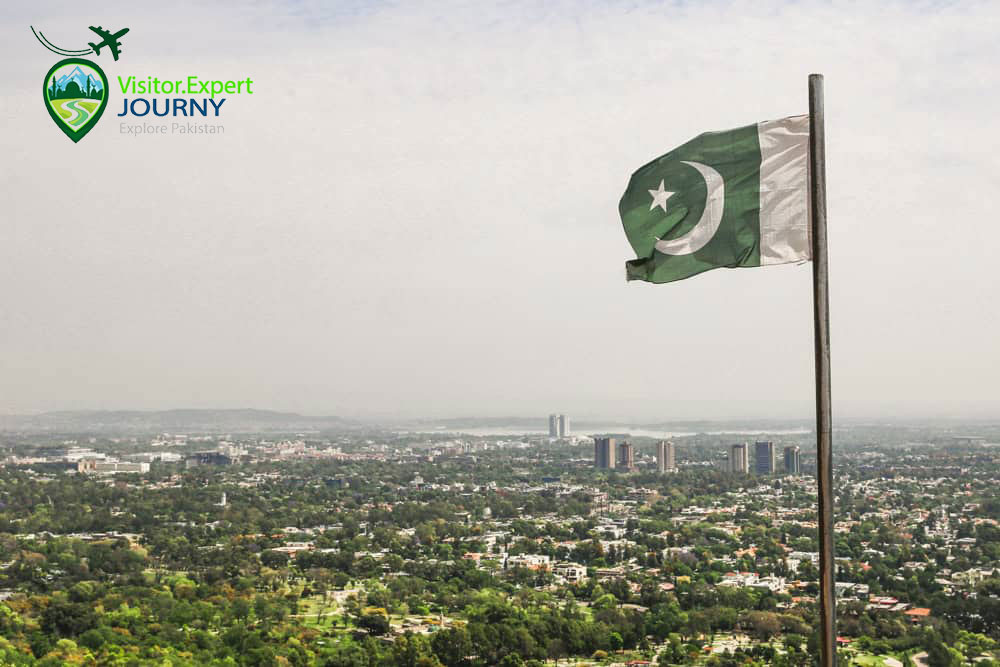
The Islamabad territory geography is one of the main reasons the capital was built in this region. Therfore, The city sits at the edge of the Pothohar Plateau and lies close to the Rawalpindi District, forming a metropolitan region with the neighboring city of Rawalpindi.
Natural landmarks such as the Margalla Hills, the Soan River, and the beautiful Rawal Lake create a unique landscape. These natural features provide water resources, wildlife habitats, and recreational areas.Therfore, The nearby Margalla Hills National Park also protects forests and wildlife within the capital region.
| Geographic Feature | Importance |
| Margalla Hills | Natural protection and scenic beauty |
| Rawal Lake | Major water reservoir |
| Soan River | Important regional river |
| Pothohar Plateau | Elevated terrain supporting urban planning |
Climate conditions throughout the year
Islamabad experiences a humid subtropical climate with four distinct seasons. Therfore, Summers are warm and often include heavy monsoon rainfall.Therfore, Winters are cooler and sometimes bring fog to the region.Therfore, Spring and autumn provide mild temperatures and clear skies.
The natural environment around the Margalla Hills National Park helps regulate temperature and maintain cleaner air compared to many large cities. Therfore,As a result
This balanced climate has helped the city develop as a comfortable living environment within the Islamabad federal territory.
Best time to visit Islamabad
Tourists often consider spring and autumn the best seasons to visit the capital.As a result
Therfore, During spring, flowers bloom across parks andgardens, creating beautiful landscapes throughout the city.Therfore, Autumn brings cool temperatures and colorful foliage across the hills.
Visitors exploring Islamabad territory tourism frequently enjoy outdoor locations such as Rawal Lake and the trails of the Margalla Hills.Therfore, These seasons provide ideal weather for sightseeing, photography, and hiking activities.
Urban Planning and City Structure of Islamabad
Islamabad sector system
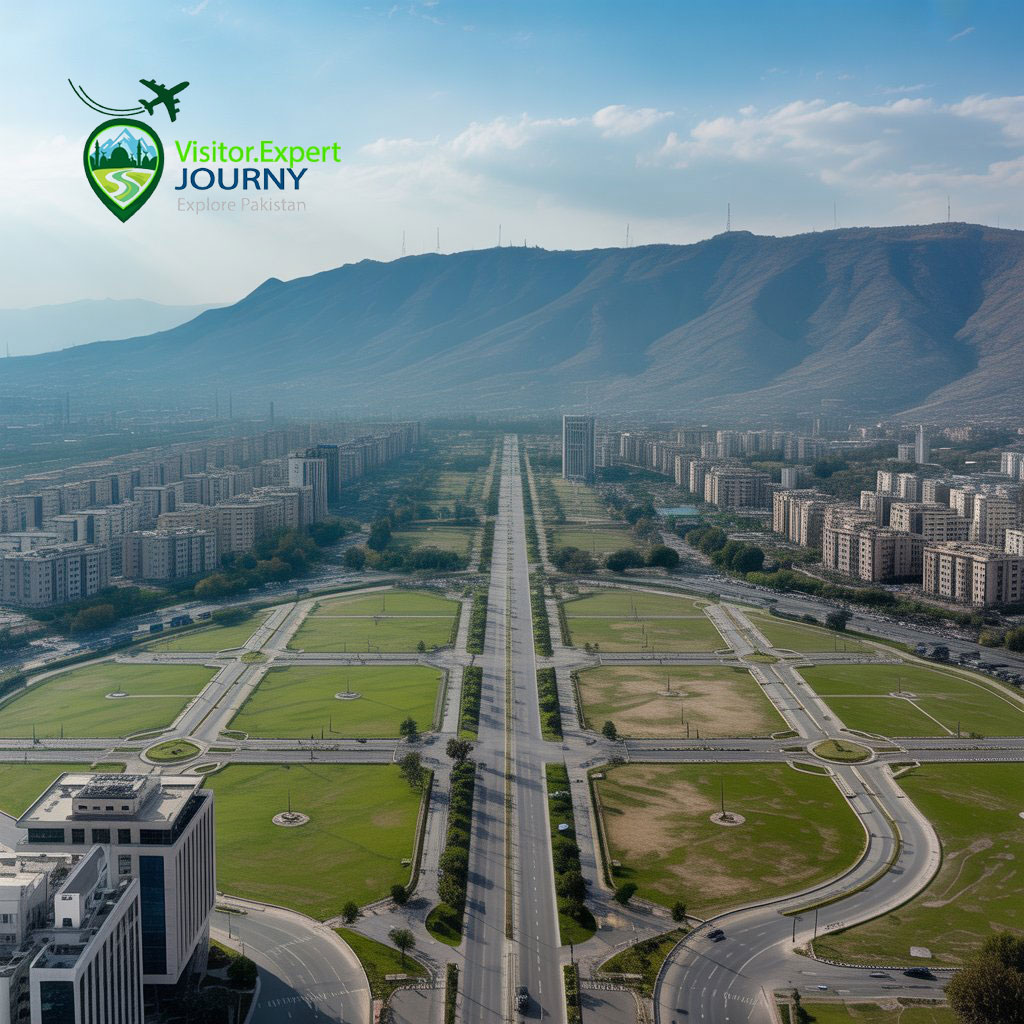
One of the most unique features of the Islamabad administrative region is its sector-based layout. Therfore, The city was divided into organized Islamabad territory sectors, each designed with residential, commercial, and community facilities.
This design allows efficient management of services and infrastructure. As a result
Wide roads, green belts, and parks separate different sectors, giving the city a clean and organized appearance. Therfore, The structure remains one of the most successful urban planning models in South Asia.
Civil administration and planning
The Islamabad territory government manages development through several administrative institutions. Therfore, The Capital Development Authority plays a central role in urban planning, infrastructure development, and environmental protection.
Planning authorities regulate construction within the Islamabad territory zones to maintain the city’sTherfore, planned structure. This system ensures balanced development and protects green spaces across the capital territory.
Islamabad–Rawalpindi metropolitan area
The neighboring Rawalpindi District forms an integrated metropolitan area with Islamabad. Therfore, Together, these two cities support a large population and share transportation networks, markets, and employment opportunities.
This connection strengthens the Islamabad territory economy and creates a regional hub for government, business, and education. The twin-city relationship continues to influence the growth of the capital territory.
Modern architecture and city design
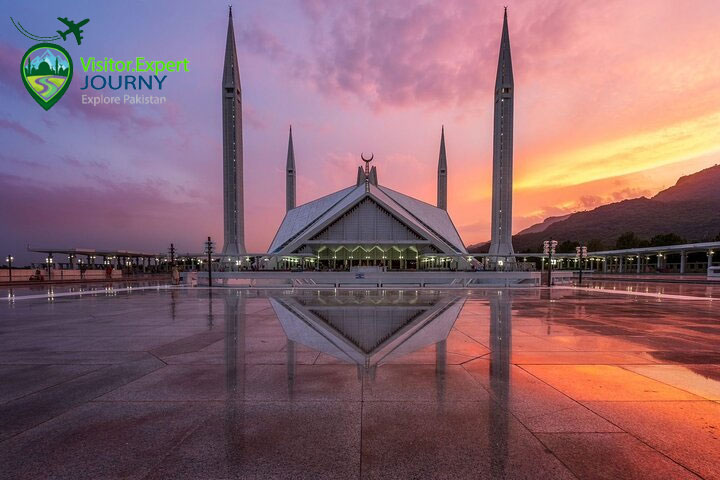
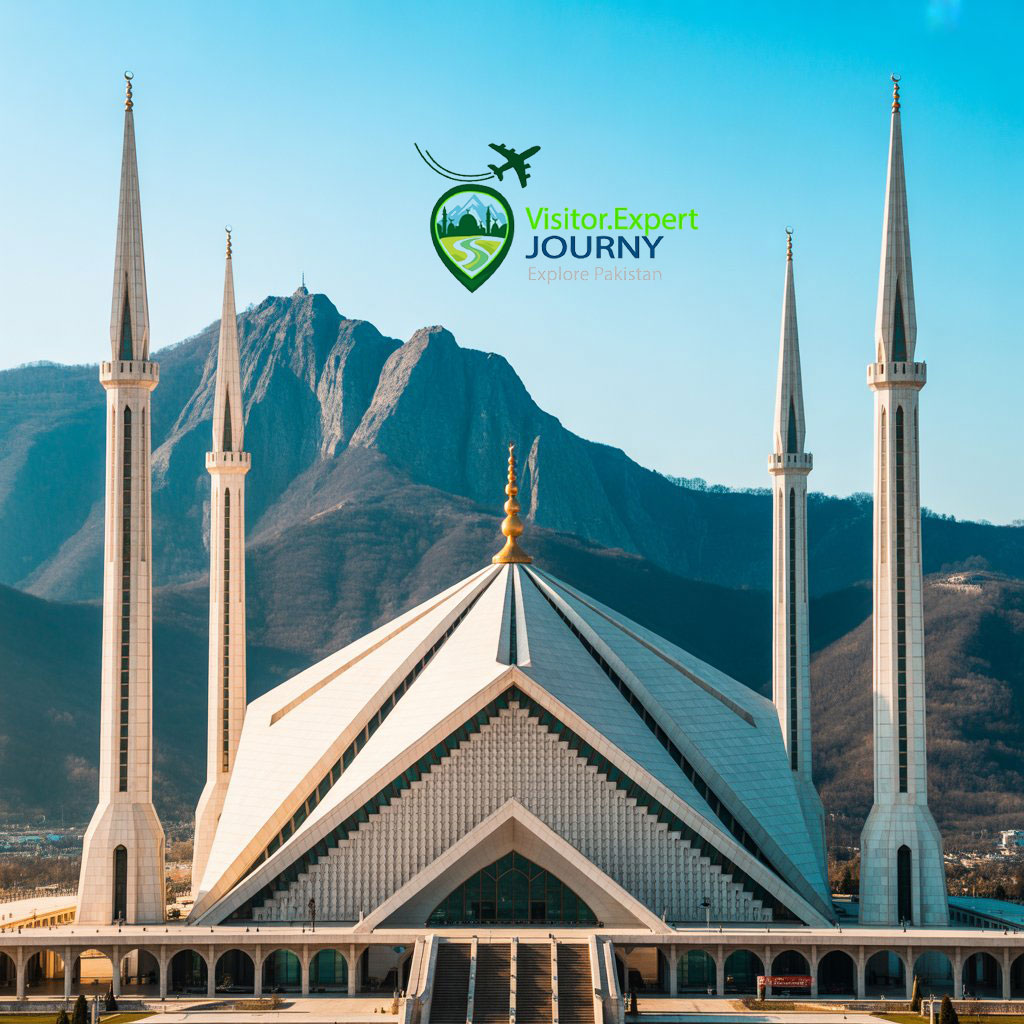
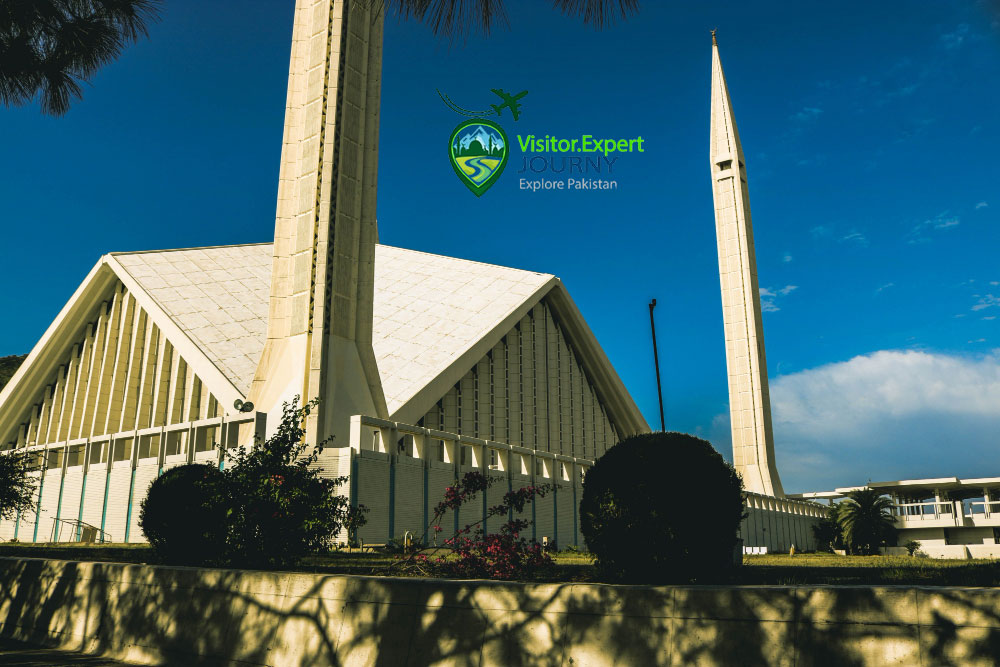
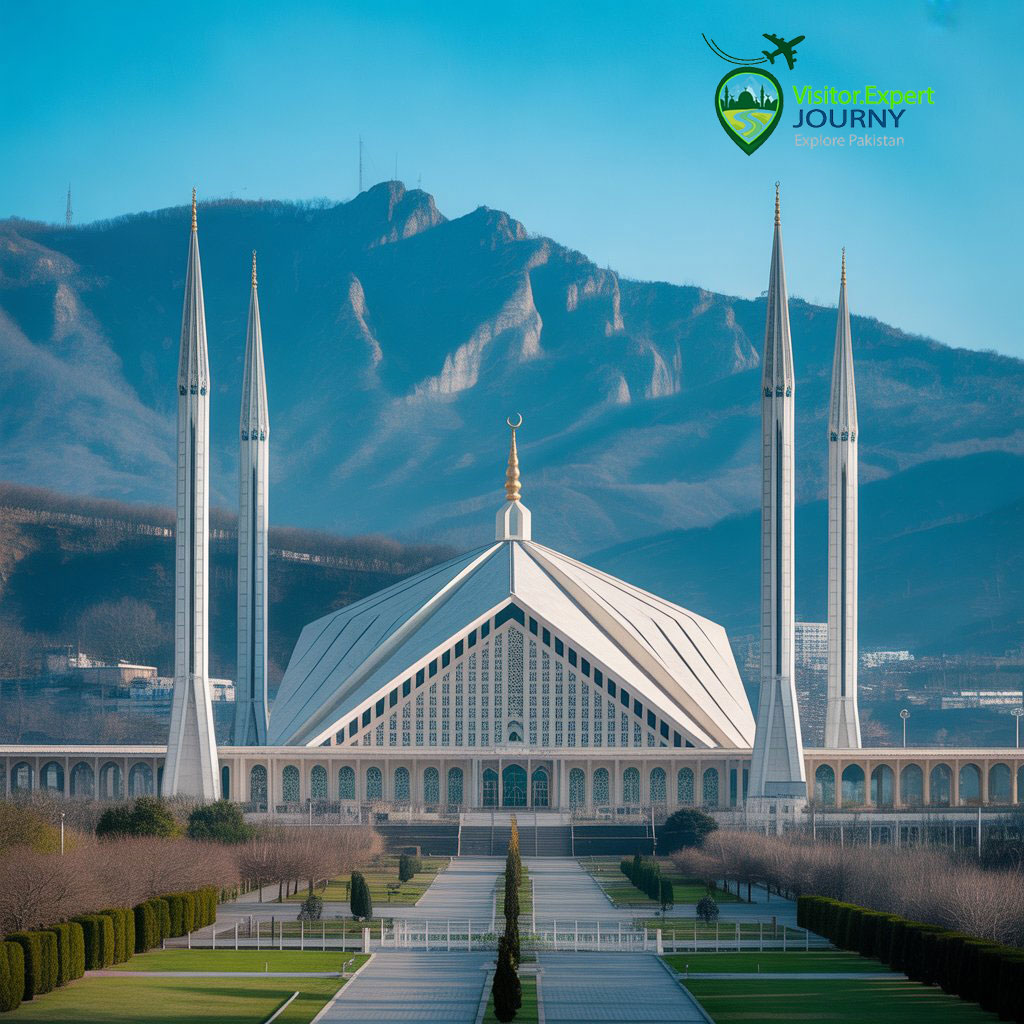
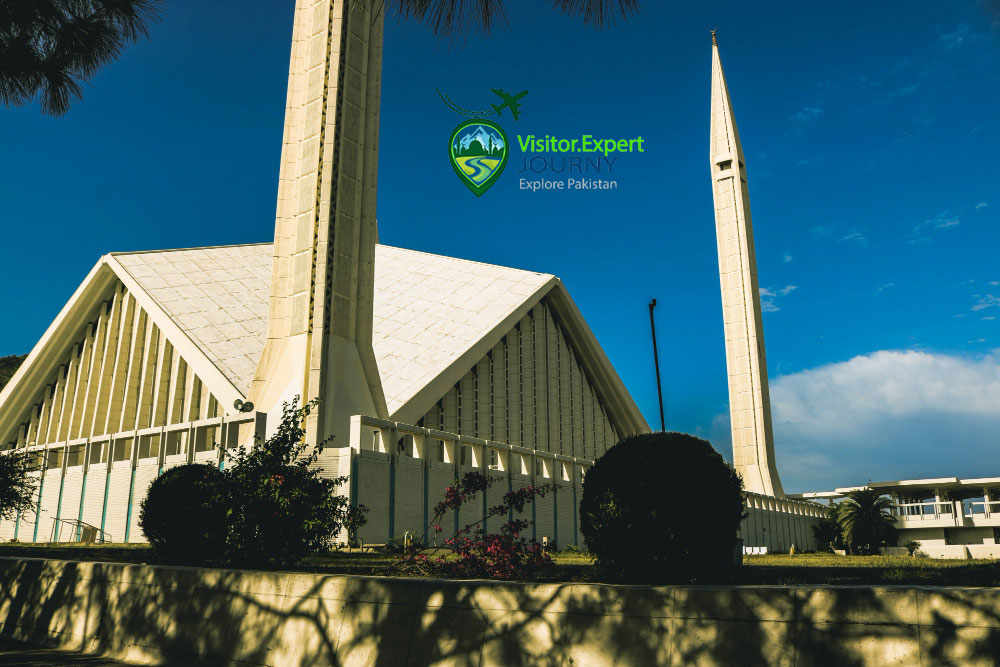
Architecture in Islamabad combines modern planning with Islamic design elements. Famous landmarks such as the Faisal Mosque reflect the cultural identity of the capital territory of Pakistan.
Government buildings, embassies, and cultural monuments contribute to the unique urban character of the Islamabad federal territory. The city’s design emphasizes open spaces, greenery, and scenic views of the surrounding Margalla Hills.
Population and Social Demographics of Islamabad
Languages spoken in Islamabad
The Islamabad territory demographics reflect the cultural diversity of Pakistan. Urdu serves as the national language and is widely spoken in the capital. However, many residents also speak Punjabi, Pashto, and regional languages.
English is commonly used in education and government institutions, especially within the Islamabad territory education system. This multilingual environment supports communication among residents from different backgrounds.
Literacy and education rate
Islamabad has one of the highest literacy rates in the country.Therfore, The strong Islamabad territory education system includes universities, colleges, and international schools that attract students from across Pakistan.
Major universities and research institutions contribute to academic growth in the Islamabad administrative region. Education remains a key factor driving economic and social development within the capital.
Religion and cultural diversity
Islam is the dominant religion in the Islamabad federal territory, but the city also hosts minority religious communities. Mosques, churches, and temples exist peacefully within the capital.
This diversity creates a multicultural society where traditions and customs from different regions blend together. Moroever,The Islamabad territory population continues to grow as people move to the capital for better opportunities.
Economy and Business Environment in Islamabad
Economic growth of Islamabad
The Islamabad territory economy has grown steadily due to government investment and private sector development. Government ministries, diplomatic missions, and international organizations contribute significantly to economic activity.
Technology companies and service industries are also expanding within the Islamabad administrative region, creating new employment opportunities for young professionals.
Business districts and markets
Commercial areas such as the Blue Area serve as the main business center of the Islamabad federal territory.As a result
Shopping malls, corporate offices, and financial institutions operate within this district.
Local markets and modern shopping centers support daily commerce across different Islamabad territory sectors.As a result
These markets play an important role in the overall economic structure of the capital.
Employment opportunities
Government jobs remain one of the largest employment sources in the capital territory of Pakistan. As a result
Therfore, However, private companies, IT firms, and service industries also provide opportunities for skilled workers.
The expanding Islamabad territory economy continues to attract professionals from across the country, strengthening the workforce within the capital region.
Culture and Lifestyle in Islamabad Capital Territory
Cultural diversity
The Islamabad territory demographics represent people from everyprovince of Pakistan. Initially Therfore, Cultural traditions from Punjab, Khyber Pakhtunkhwa, Sindh, and Balochistan all influence daily life in the capital.
This diversity creates a vibrant social environment where languages, clothing styles, and customs vary widely across the Islamabad federal territory.
Festivals and traditions
National and religious celebrations are widely observed in the Islamabad administrative region. Therfore, Festivals such as Eid bring families together for community gatherings and cultural events.
Public celebrations also occur during national holidays and cultural festivals.Therfore, These events highlight the traditions of the capital territory of Pakistan.
Food culture and restaurants
Food culture in Islamabad reflects the diversity of its residents. Therfore, Traditional Pakistani dishes such as biryani, kebabs, and karahi remain popular across the city.
International restaurants and cafes have alsoexpanded within the Islamabad territory tourism sector, As a result
offering cuisines from around the world to residents and visitors.
Tourism and Outdoor Activities in Islamabad
Top tourist attractions
As a result
Tourists visiting the Islamabad federal territory often explore iconic landmarks such as Faisal Mosque and Pakistan Monument. These locations represent the national identity and architectural beauty of the capital.
The natural beauty of the Margalla Hills, along with scenic spots like Rawal Lake,Therfore, attracts thousands of visitors each year. These attractions make the capital a major center for Islamabad territory tourism.
Parks and recreational areas
Green spaces remain a key feature of the Islamabad administrative region. Therfore, Parks such as Fatima Jinnah Park and Shakarparian provide peaceful environments for relaxation and family activities.
The protected forests of Margalla Hills National Park support wildlife conservation and outdoor recreation within the Islamabad territory geography.
Hiking and outdoor activities
Hiking trails in the Margalla Hills attract nature lovers and adventure seekers. Therfore, These trails provide scenic views of the city and surrounding landscapes.
Outdoor activities around Rawal Lake also include boating, photography, and picnics.However Therfore, These experiences highlight the natural beauty of the capital territory of Pakistan.
Transportation and Infrastructure in Islamabad
Air transport and Islamabad International Airport
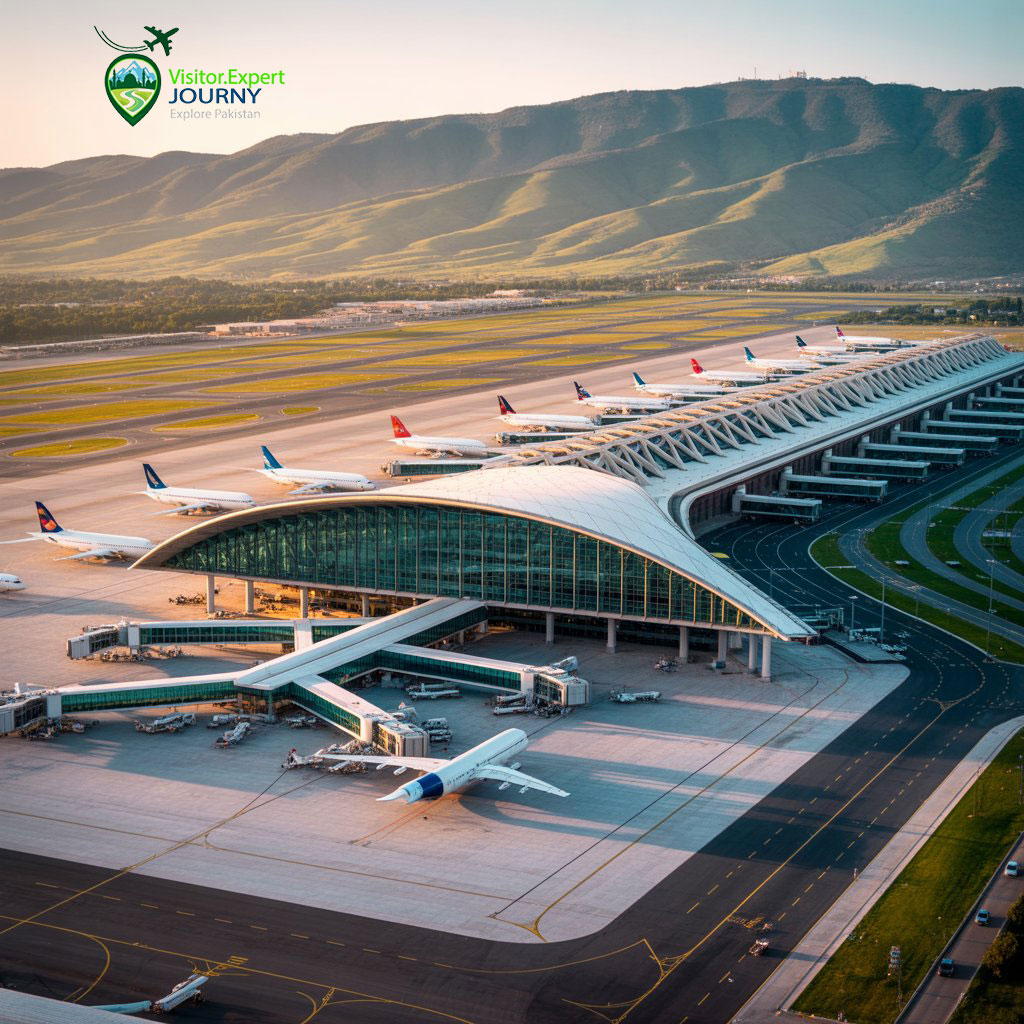
However The Islamabad territory transport system includes modern air travel facilities.Therfore, Islamabad International Airport connects the capital with major global destinations.
However,This airport plays an important role in supporting tourism, diplomatic travel,Therfore, Initially and international business within the Islamabad federal territory.
Public transportation and Metro Bus
Public transportation has improved with the introduction of the Metro Bus system connecting Islamabad with Rawalpindi District. This service allows commuters to travel quickly between the two cities.
The expanding Islamabad territory transport system continues to support urban mobility and reduce traffic congestion.
Railway connectivity
Railway lines connect the Islamabad administrative region with major cities across Pakistan.However, Therfore, Pakistan Railways operates passenger and freight services linking the capital to national transport networks.
Road network and private transport
A network of highways andexpressways connects the capital territory of Pakistan with other provinces.Therfore, Modern road infrastructure supports efficient travel and economic activity across the region.
Conclusion: Why the History of Islamabad Capital Territory Matters
The History of Islamabad Capital Territory shows how vision and planning can transform a rural landscape into a modern capital city.Therfore, The Islamabad federal territory represents careful urban development supported by natural beauty and strategic planning.
Today, the Islamabad administrative region continues to grow while maintaining its organized structure and green environment. Therfore, The story of the capital territory of Pakistan remains an important example of successful city planning in the modern world.
FAQ
Here are one-line answers for each question:
- Why is Islamabad so famous?
Islamabad is famous for being the capital of Pakistan and for its natural beauty, As a result
modern planning, and peaceful environment. - Why is it called Islamabad?
It is called Islamabad because the name means “City of Islam.” - Which language is spoken in Islamabad?
The main languages spoken in Islamabad are Urdu and English. - Which is the most beautiful city in Pakistan?
Islamabad is often considered the most beautiful city in Pakistan. - Which is the most beautiful woman in Pakistan?
Beauty is subjective, but many people consider Mahira Khan one of the most beautiful women in Pakistan. - Which city is called Paris of Pakistan?
Sialkot is known as the “Paris of Pakistan.”