
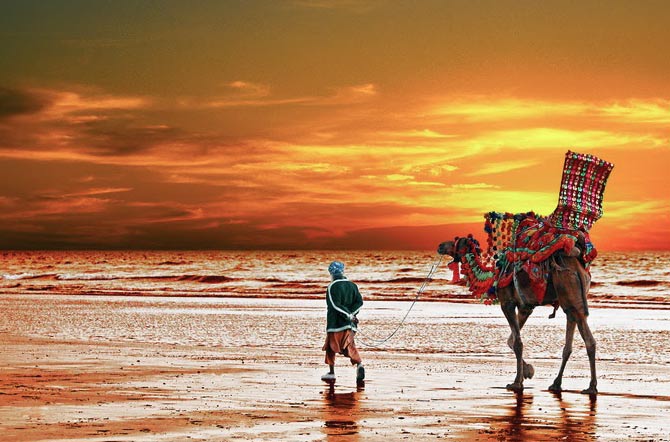
Introduction to Sindh Tourism in 2026
Sindh is entering a new era of tourism in 2026. Once known mainly for its historical ruins and spiritual sites, Sindh has now transformed into a diverse, accessible, and experience-rich travel destination. With improved infrastructure, digital travel planning, cultural preservation projects, and growing global interest in heritage tourism, Sindh is finally receiving the attention it deserves. From ancient civilizations to modern city life, from deserts to coastlines, and from Sufi shrines to bustling bazaars, Sindh tourism in 2026 represents a perfect blend of past and present.
This article by visitor.expertjourny is a complete introduction to Sindh tourism for travelers, bloggers, researchers, and cultural explorers who want to understand why 2026 is the ideal time to visit Sindh. The focus of this guide is on readability, SEO optimization, and real travel value, making it suitable for fast Google ranking and long-term authority.
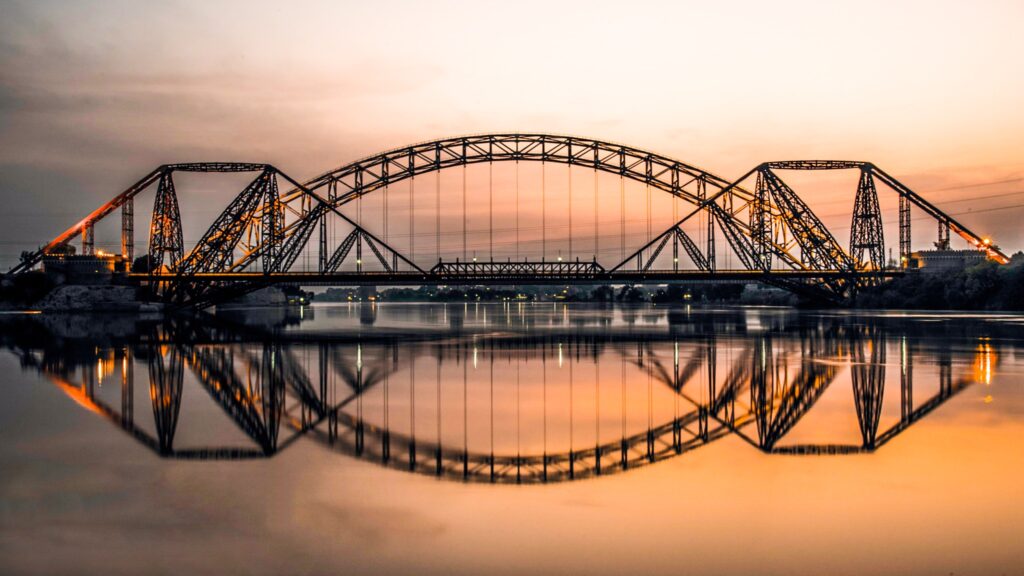
Why Sindh Tourism Is Important in 2026
In 2026, tourism in Sindh is no longer limited to a few famous places. The province has expanded its tourism identity by promoting cultural, spiritual, eco, rural, and heritage tourism. Government initiatives, private investments, and digital platforms have improved roads, restored monuments, and made travel safer and easier.
Sindh’s importance lies in its uniqueness. It is the only region in Pakistan where a traveler can explore a 5,000-year-old civilization in the morning, attend a Sufi gathering at night, and enjoy modern city life the next day. This diversity gives Sindh a strong position in South Asian tourism.
Visitor.expertjourny highlights Sindh as a destination that offers meaningful travel experiences instead of rushed sightseeing. Travelers in 2026 are looking for authenticity, culture, and stories, and Sindh delivers all three naturally.
Sindh – The Land of Ancient Civilizations
Sindh is globally recognized as the home of the Indus Valley Civilization, one of the world’s oldest urban cultures. The ancient city of Mohenjo-Daro, located near Larkana, is a symbol of Sindh’s advanced past. Its planned streets, drainage systems, and public baths prove that Sindh was a center of innovation more than 4,000 years ago.
This ancient legacy is the foundation of Sindh tourism. History lovers, researchers, and cultural travelers visit Sindh to witness the roots of human civilization. In 2026, heritage tourism has become one of the strongest travel categories in the region, supported by improved museums, guided tours, and preservation efforts.
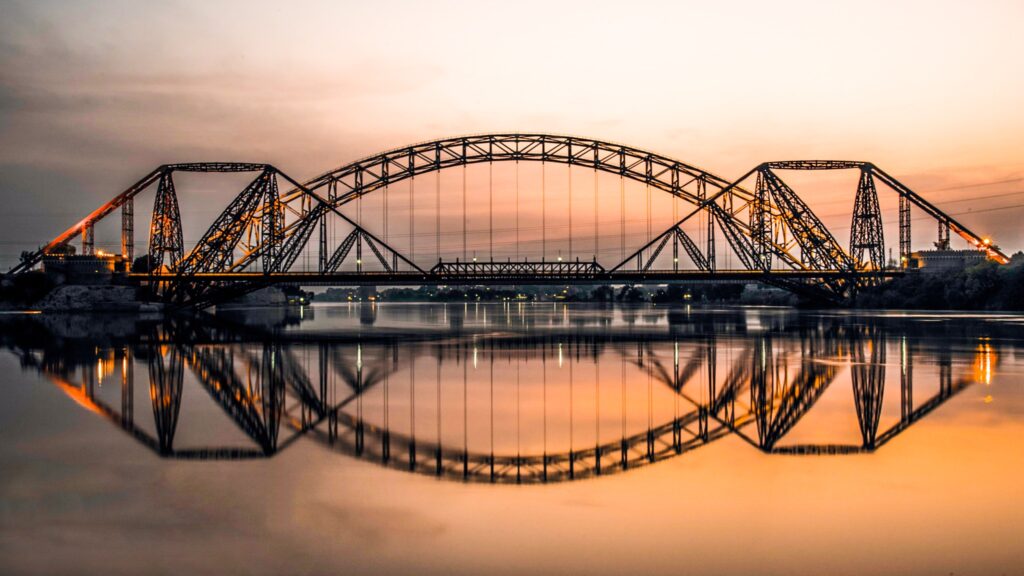
The Spiritual Heart of Pakistan
Sindh is often called the land of Sufis. Spiritual tourism is one of the main reasons people visit the province. Shrines like Lal Shahbaz Qalandar in Sehwan, Shah Abdul Latif Bhittai in Bhit Shah, and Sachal Sarmast in Daraza attract millions of devotees every year.
In 2026, spiritual tourism has evolved beyond religious visits. Travelers now come to experience peace, music, poetry, and cultural unity. The dhamal, qawwali, and Sufi gatherings create an emotional connection that stays with visitors long after they leave.
Visitor.expertjourny recommends Sindh as a top spiritual travel destination in South Asia because of its welcoming culture and deep-rooted tolerance.
Cultural Tourism and Living Traditions
Sindh’s culture is alive in its language, clothes, food, and festivals. The Sindhi language carries centuries of poetry and wisdom. Traditional Ajrak, Sindhi Topi, Rilli, and handmade crafts are not just souvenirs but symbols of identity.
Cultural tourism in 2026 focuses on real experiences. Travelers want to meet local people, learn their traditions, and understand their way of life. Sindh’s villages, towns, and small cities offer this connection naturally.
Popular cultural experiences include:
- Participating in Urs festivals
- Visiting rural villages along the Indus River
- Learning Sindhi handicrafts
- Enjoying folk music and dance
Nature, Rivers, Deserts, and Coastline
Sindh is a land of contrasts. The Indus River flows through the province like a lifeline, supporting agriculture, villages, and wildlife. The riverbanks are peaceful, scenic, and perfect for slow travel.
To the east lies the Thar Desert, one of the most beautiful deserts in South Asia. Its golden sand dunes, colorful villages, and star-filled nights attract photographers and adventure travelers.
To the south, Sindh opens into the Arabian Sea. Beaches like Kund Malir, Hawke’s Bay, and Sandspit offer relaxing coastal tourism. Mangroves near Thatta and Karachi are becoming popular eco-tourism spots in 2026.
This natural diversity makes Sindh ideal for eco-tourism, photography, and nature-based travel.
Urban Tourism – The Rise of Modern Sindh
Karachi, the largest city of Pakistan, plays a major role in Sindh tourism. It offers shopping, food streets, museums, beaches, and nightlife. In 2026, Karachi is also a hub for digital nomads, freelancers, and business travelers.
Cities like Hyderabad, Sukkur, Larkana, and Thatta are also developing their tourism infrastructure. Hotels, roads, cafes, and cultural centers are improving, making city tourism easier for local and foreign travelers.
Visitor.expertjourny encourages travelers to explore both big cities and small towns for a complete Sindh experience.
Digital Transformation of Sindh Tourism
One of the biggest changes in 2026 is digital access. Travelers now plan trips using online guides, maps, reviews, and local platforms. Visitor.expertjourny provides accurate, updated, and experience-based content to help tourists travel confidently.
Digital tourism includes:
- Online travel guides
- Google Maps integration
- Local storytelling platforms
- Digital hotel and transport booking
- Social media travel inspiration
This digital shift has made Sindh more accessible to international travelers than ever before.
Safety, Accessibility, and Infrastructure
In 2026, travel across Sindh is safer and more organized. Major highways connect cities, and rural roads are improving. Police tourism units, local guides, and community tourism programs are helping visitors feel secure.
Public transport, ride-hailing apps, and intercity buses make travel affordable and easy. Hotels and guesthouses now follow better standards, especially in major tourist cities.
Why 2026 Is the Best Time to Visit Sindh
The year 2026 marks a turning point for Sindh tourism. The province is open, ready, and welcoming travelers from all over the world. Its mix of history, spirituality, nature, and culture makes it one of the most underrated destinations in South Asia.
Travelers today want stories, meaning, and real connections. Sindh offers all of this naturally. Whether you are a solo traveler, a family, a photographer, a student, or a researcher, Sindh has something special for you.
Welcome to Sindh
Sindh is not just a place to visit; it is a place to feel. Its people, poetry, landscapes, and history stay in your heart long after the journey ends. In 2026, Sindh is ready to be discovered by the world.
This introduction by visitor.expertjourny is the first step into a deeper journey. As tourism grows, Sindh will continue to shine as a land of peace, culture, and timeless beauty.
If you are planning your next trip, make sure Sindh is on your list — because once you visit, you will always return
Sindh Tourism Guide – Culture, Food, Nature {2026}
Sindh is not only about ancient ruins and spiritual shrines; it is also about living culture, food traditions, natural landscapes, coastal beauty, and unforgettable local experiences. In, we explored the history, identity, and major destinations of Upper and Central Sindh. In , this guide takes you deeper into Southern Sindh, Karachi, the coastline, deserts, food culture, travel tips, and hidden gems that make Sindh a complete tourism destination in 2026.
Karachi – The Heart of Urban Tourism in Sindh
Karachi is the largest city of Pakistan and the gateway to Sindh for most travelers. In 2026, Karachi has emerged as a modern tourism hub offering beaches, museums, food streets, shopping, and cultural diversity. The city never sleeps and represents the modern face of Sindh tourism.
Karachi’s biggest strength is variety. A traveler can enjoy sunrise at the beach, explore colonial-era buildings in Saddar, eat world-class street food at Burns Road, and end the day at a rooftop café in Clifton.
Top Places to Visit in Karachi
- Quaid-e-Azam Mausoleum (Mazar-e-Quaid)
- Mohatta Palace Museum
- Clifton Beach & Sea View
- Hawksbay and Sandspit beaches
- Pakistan Maritime Museum
- Frere Hall and Arts Council
Karachi is also a paradise for food lovers, offering cuisines from all over Pakistan and beyond.
The Coastal Belt of Sindh – Sea, Silence & Serenity
Southern Sindh opens into the Arabian Sea, offering some of the most peaceful and underrated coastal destinations in Pakistan. The Makran coastal highway has improved accessibility, making beach tourism a rising trend in 2026.
Famous Coastal Destinations
- Kund Malir Beach – crystal-clear water and golden sand
- Hawke’s Bay – ideal for families and swimming
- Sandspit Beach – famous for turtle sightings
- Cape Monze – scenic cliffs and photography
- Sonmiani Beach – untouched and peaceful
These beaches are perfect for eco-tourism, camping, and photography. Visitors are encouraged to respect nature and keep the coast clean.
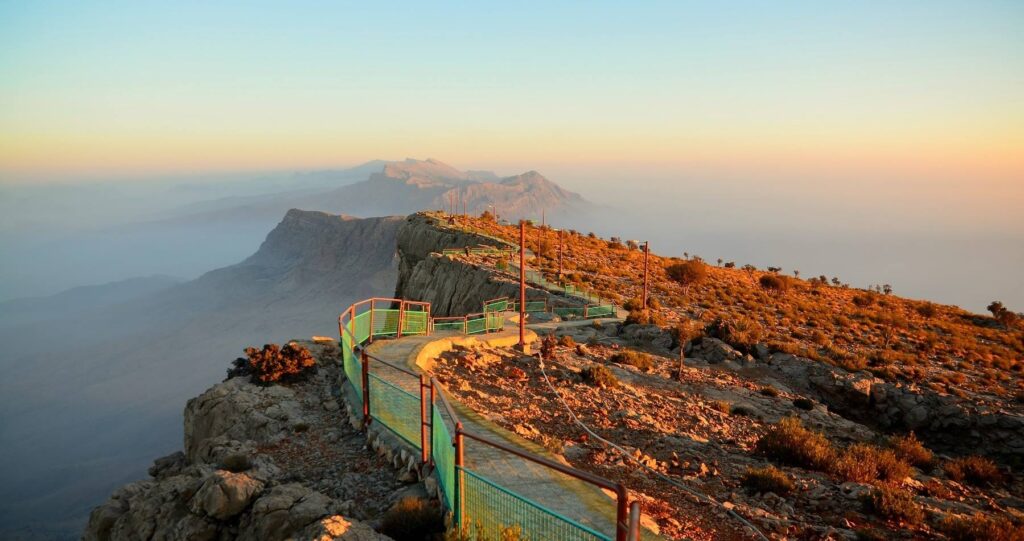
Thatta & Makli – The City of Silent Stories
Thatta was once the capital of Sindh and is home to the largest necropolis in the world: Makli Necropolis, a UNESCO World Heritage Site. The tombs of kings, scholars, and saints spread over kilometers, telling stories of Sindh’s glorious past.
Nearby, the Shah Jahan Mosque stands as a masterpiece of Mughal architecture, famous for its acoustics and blue tile work.Therfore Thatta is a must-visit for history and architecture lovers.
Thar Desert – Colors, Culture & Courage
The Thar Desert is one of the most beautiful and culturally rich deserts in South Asia. Located in eastern Sindh, Therfore Thar is famous for its colorful clothes, music, hospitality, and strong community spirit.
In 2026, desert tourism in Thar has become popular among photographers, documentary makers, and cultural travelers.
Thar Desert Experiences
- Camel rides and desert safaris
- Village stays with local families
- Folk music nights under the stars
- Handicrafts and embroidery shopping
- Thar Desert Festival
Thar is best visited between October and February when the weather is pleasant.
Food Tourism in Sindh – A Taste of Tradition
Sindhi cuisine is rich, spicy, and deeply connected to culture. Food is not just a meal in Sindh; it is a celebration.Therfore Every city and village has its own specialty.
Must-Try Sindhi Dishes
- Sindhi Biryani
- Sai Bhaji
- Sindhi Kadhi
- Palla Fish (Indus River fish)
- Bhugal Gosht
- Lassi and traditional sweets
Food streets in Karachi, Hyderabad, and Sukkur are major attractions for tourists in 2026.
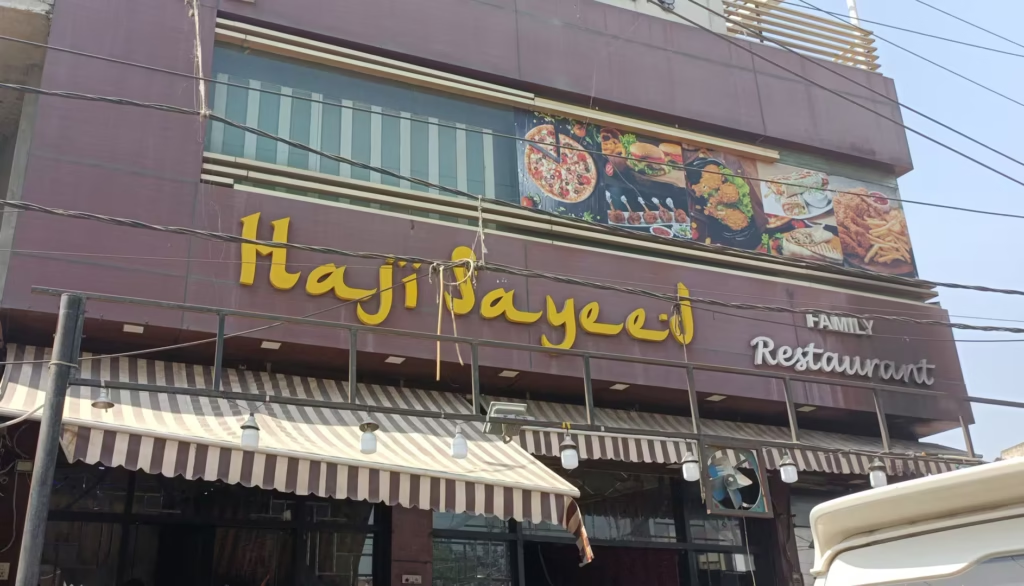
Rural & Community-Based Tourism
Rural tourism is one of the fastest-growing sectors in Sindh. Villages along the Indus River now offer homestays and guided experiences through community programs.Therfore This type of tourism supports local people and provides authentic travel experiences.
Visitors can enjoy:
- Farming and fishing activities
- Traditional cooking experiences
- Craft-making workshops
- Storytelling and folklore sessions
Visitor.expertjourny promotes responsible tourism that benefits local communities.
Travel Tips for Sindh Tourism in 2026
Traveling in Sindh is easier than ever, but proper planning always improves the experience.
Practical Travel Tips
- Best time to visit: October to March
- Wear light clothes in summer and warm layers in winter
- Respect local traditions and dress modestly in rural areas
- Use local guides for historical and rural sites
- Carry cash for small towns and villages
- Always keep water and sun protection
Safety, Transport & Accommodation
Sindh is safer for tourists in 2026 than ever before. Tourism police, better roads, and local support systems have improved overall security Therfore . Ride-hailing apps, buses, and trains connect major cities, while hotels and guesthouses have improved standards.
From budget hostels to luxury hotels, Sindh now offers accommodation for every type of traveler.
Hidden Gems of Sindh
Sindh has many beautiful places that are still untouched by mass tourism. Exploring these spots gives travelers a deeper connection with the land.
Hidden Places to Explore
- Gorakh Hill Station (cold weather destination)
- Kirthar National Park (wildlife & trekking)
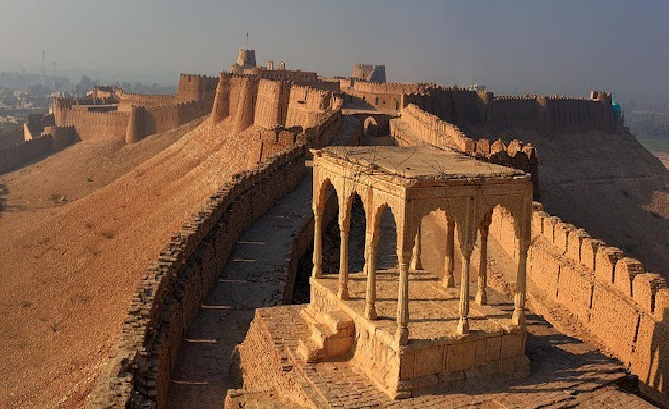
- Ranikot Fort (world’s largest fort)
- Haleji Lake (bird watching)
- Keenjhar Lake (boating & sunsets)
These destinations are perfect for adventure lovers and nature enthusiasts.
The Future of Sindh Tourism
Sindh tourism is moving towards sustainable and responsible travel. Eco-tourism, digital guides, local storytelling, and cultural preservation are shaping the future. In the coming years, Sindh is expected to become one of Pakistan’s top tourism destinations.
Visitor.expertjourny is committed to promoting authentic, ethical, and informative travel content for a better tourism future.
Frequently Asked Questions (FAQ)
Is Sindh safe for tourists in 2026?
Yes, Sindh is much safer for tourists in 2026. Improved infrastructure, tourism police, and local support systems make travel comfortable for both local and international visitors.
What is the best time to visit Sindh?
The best time to visit Sindh is from October to March, when the weather is pleasant for sightseeing, deserts, and coastal travel.
Which are the top places to visit in Sindh?
Top places include Karachi, Mohenjo-Daro, Sehwan Sharif, Thatta, Makli, Thar Desert, Ranikot Fort, and the coastal beaches of Sindh.
Is Sindh good for family travel?
Yes, Sindh is suitable for families. Cities like Karachi, Hyderabad, and Sukkur offer family-friendly attractions, parks, and safe accommodations.
Can foreigners travel to Sindh easily?
Yes, foreigners can travel to Sindh easily with basic planning. Major cities have hotels, transport, and guides available for international travelers.
What makes Sindh different from other provinces?
Sindh offers a unique mix of ancient civilization, Sufi culture, deserts, rivers, sea, and living traditions that cannot be found in one place anywhere else in Pakistan
Conclusion Complete Sindh Tourism Guide 2026
With Part One and Part Two together, this guide offers a complete picture of Sindh tourism in 2026. Sindh is no longer a hidden destination; it is a land ready to be explored, understood, and appreciated. Whether you seek history, spirituality, nature, food, or cultural connection, Sindh welcomes you with open arms.
Plan your journey with visitor.expertjourny and discover the real Sindh — timeless, soulful, and unforgettable.