Introduction
The Tomb of Jahangir is one of the most important Mughal-era monuments in Lahore and a true symbol of Pakistan’s rich historical heritage. Located near the banks of the Ravi River in Shahdara Bagh, this magnificent structure serves as the final resting place of Mughal Emperor Nuruddin Muhammad Jahangir, one of the most influential rulers of the Mughal dynasty.
For history lovers, architecture enthusiasts, photographers, and tourists, the Tomb of Jahangir offers a peaceful and educational experience away from the busy city center. This complete visiting guide will help you understand the history, architectural beauty, visiting timings, entry fee, best time to visit, location details, and useful travel tips to make your visit memorable.
Historical Background of the Tomb of Jahangir
Emperor Jahangir ruled the Mughal Empire from 1605 to 1627 and was known for his love of art, culture, and architecture. After his death in 1627, his wife Empress Nur Jahan supervised the construction of his tomb as a tribute to his legacy. The tomb was built over several years and reflects the artistic elegance of the Mughal era.
Unlike many Mughal mausoleums, the Tomb of Jahangir does not have a large central dome. Instead, it features a flat roof, detailed marble inlay work, and beautifully designed gardens, making it unique among Mughal monuments in Lahore.
Architectural Beauty and Design
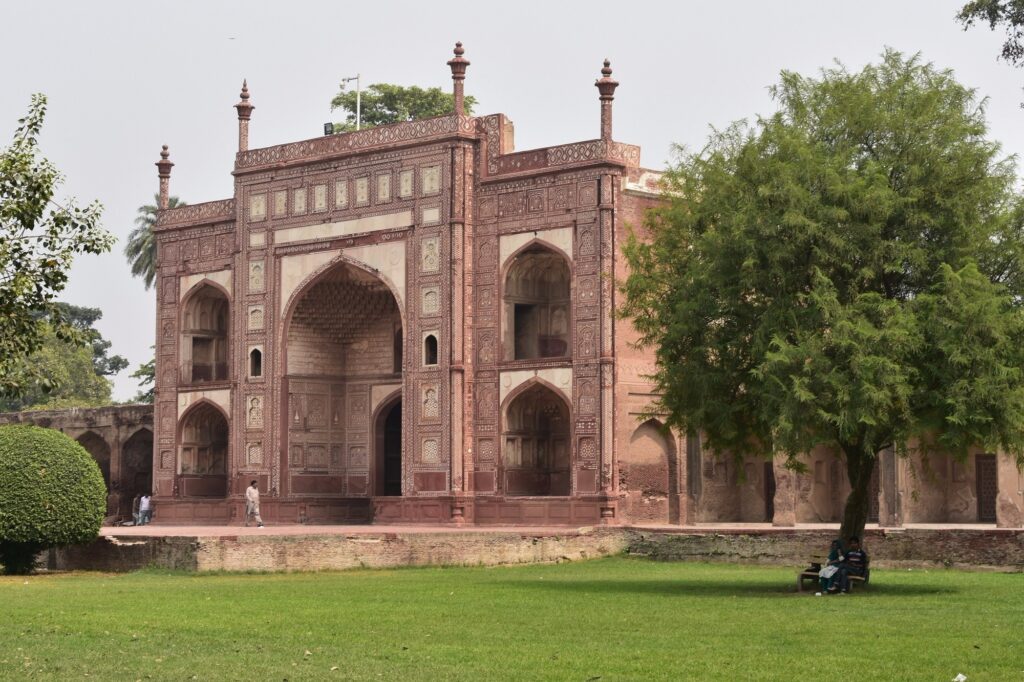
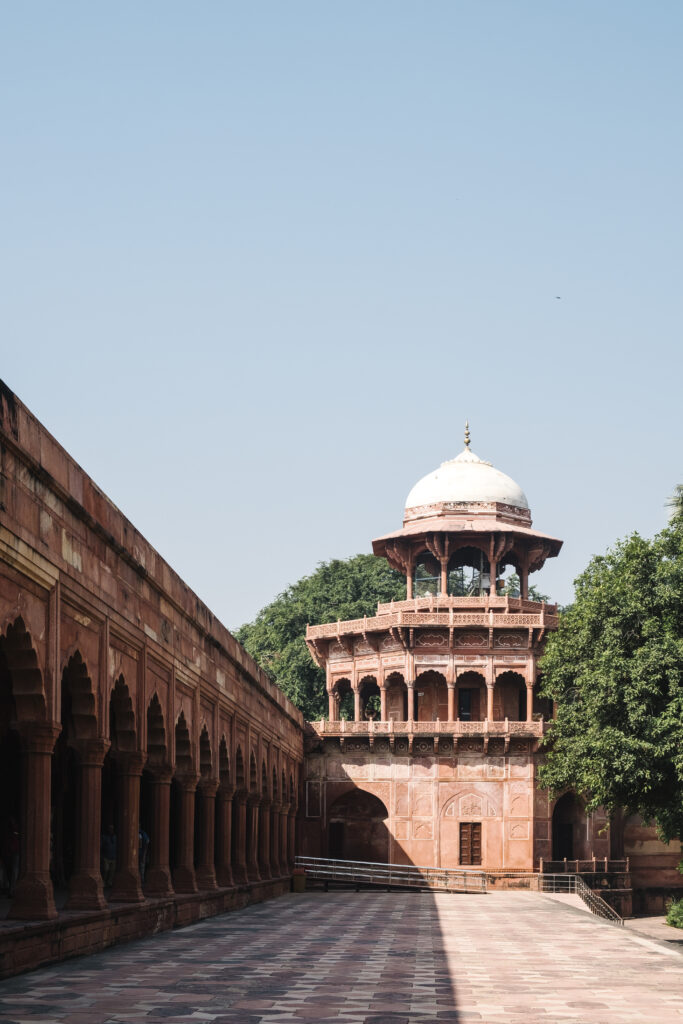
The Tomb of Jahangir is a masterpiece of Mughal architecture. It is constructed mainly with red sandstone and decorated with white marble inlay. The walls are adorned with floral motifs, geometric patterns, and Quranic inscriptions that showcase the fine craftsmanship of the Mughal period.
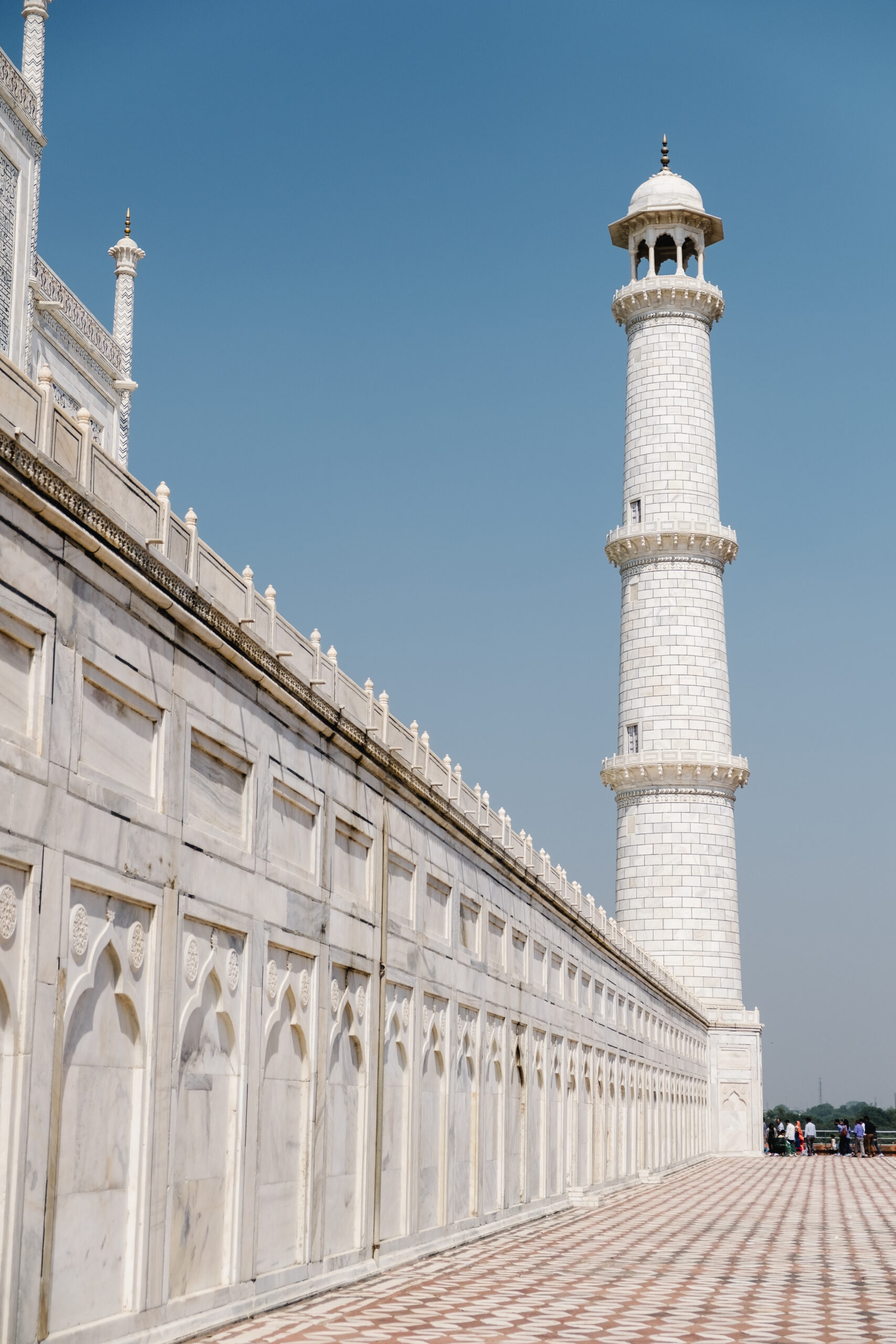
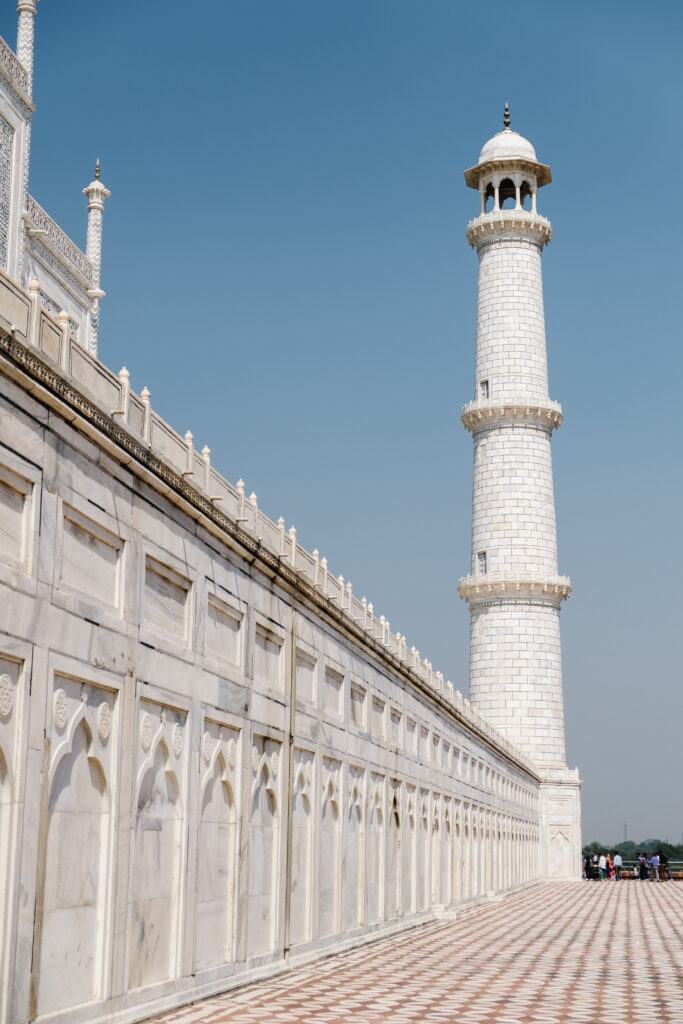
The structure is surrounded by a Charbagh-style garden, a traditional Mughal garden layout divided into four symmetrical sections. Four elegant minarets stand at the corners of the tomb, adding balance and grandeur to the design. The peaceful gardens and artistic details make this monument a favorite spot for visitors and photographers.
Location of the Tomb of Jahangir
The Tomb of Jahangir is located in Shahdara Bagh, Lahore, close to the Ravi River.
Address:
Shahdara Bagh, Lahore, Punjab, Pakistan
This location is easily accessible from different parts of Lahore and is close to other important Mughal-era monuments.
How to Reach the Tomb of Jahangir
Reaching the Tomb of Jahangir is convenient for both local and international tourists.
Visitors can use private cars, motorcycles, or ride-hailing services such as Careem and Uber. Public transport is also available, with buses and rickshaws stopping near Shahdara Bagh. From the main road, a short walk or rickshaw ride will take you directly to the monument.
Visiting Timings
The Tomb of Jahangir is open to visitors almost every day.
Opening Time:
9:00 AM
Closing Time:
5:00 PM
Timings may vary slightly on public holidays, so it is recommended to confirm before planning your visit.
Entry Fee
The entry fee for the Tomb of Jahangir is generally affordable and helps support the preservation of this historical site.
- Local Visitors: Free or minimal fee
- Foreign Tourists: Small entry fee
Fees may change over time, so checking the latest updates before visiting is a good idea.
Best Time to Visit the Tomb of Jahangir
The best time to visit the Tomb of Jahangir is during the winter and spring months, from October to March, when the weather in Lahore is pleasant.
Early mornings and late afternoons are ideal for visiting, as the lighting is perfect for photography and the environment is more comfortable for walking around the gardens.
Photography and Family Visits
Photography is allowed at the Tomb of Jahangir, making it a popular location for photographers and history enthusiasts. The detailed artwork, gardens, and Mughal architecture provide excellent photo opportunities.
The site is also suitable for families and children. However, parents should ensure children do not climb on structures or damage the monument, as it is a protected heritage site.
The Timeless Beauty of the Tomb of Jahangir
The Tomb of Jahangir is a true reflection of Mughal elegance and artistic excellence. Its beauty lies not only in its grand structure but also in the fine details that reveal the creativity of the Mughal era. Built with red sandstone and decorated with white marble inlay, the monument presents a perfect balance between strength and grace.
One of the most striking features of the tomb is its intricate floral designs and geometric patterns carved into the walls.Moreover, These delicate artworks showcase the Mughal love for nature and symmetry. Moreover, The use of pietra dura work, combined with Quranic calligraphy, Moreover, adds a spiritual and artistic charm that immediately captures the attention of visitors.
Surrounding the tomb is a beautifully planned Mughal garden laid out in the traditional Charbagh style.Moreover, Lush green lawns, walking paths, and the open sky create a calm and peaceful atmosphere.Moreover, The four elegant minarets standing at each corner of the tomb enhance its majestic appearance and provide stunning views from every angle.
What makes the Tomb of Jahangir even more unique is its flat roof design, which sets it apart from other Mughal mausoleums. Moreover, This architectural choice gives the structure a distinctive identity and allows natural light to enhance the beauty of its interior decorations.
During sunrise and sunset, the monument appears even more breathtaking as the changing light highlights its marble details and warm sandstone tones.Moreover, This magical atmosphere makes the Tomb of Jahangir one of the most photogenic historical sites in Lahore.
Overall, the beauty of the Tomb of Jahangir is a harmonious blend of art, history, and nature. Moreover, It stands as a timeless symbol of Mughal craftsmanship and continues to inspire visitors with its peaceful charm and architectural brilliance.
Nearby Attractions
Visitors to the Tomb of Jahangir can also explore several nearby historical sites, including:
- .Tomb of Noor Jahan
- .Akbari Sarai
- .Shahdara Bagh Gardens
- .Ravi River Riverside Area
- .Akbari Sarai
These attractions are located close to each other and can be visited on the same day.
Travel Tips for Visitors
To make your visit enjoyable and respectful, keep the following tips in mind:
Wear comfortable clothing and footwear suitable for walking.
Carry drinking water, especially during warmer months.
Respect the historical site and avoid littering.
Follow local rules and guidelines provided by site authorities.
Visit during daylight hours for safety and better visibility.
Cultural and Educational Importance
The Tomb of Jahangir is not just a tourist attraction; it is also an important cultural and educational site. Students, researchers, and historians often visit the monument to study Mughal architecture and history. The site represents an important chapter in the story of Lahore and the Mughal Empire.
Frequently Asked Questions (FAQs)
Where is the Tomb of Jahangir located?
It is located in Shahdara Bagh, Lahore, near the Ravi River.
Is the Tomb of Jahangir safe for tourists?
Yes, it is generally safe for visitors, especially during daytime hours.
How much time is required to visit the Tomb of Jahangir?
Most visitors spend around 1 to 2 hours exploring the site.
Is photography allowed inside the tomb?
Yes, photography is allowed for personal use.
Can families visit the Tomb of Jahangir?
Yes, it is suitable for families, students, and tourists.
Conclusion
The Tomb of Jahangir Lahore is a timeless symbol of Mughal elegance, history, and architectural excellence. Whether you are a tourist exploring Lahore, a student learning about Mughal history, or a photographer looking for unique heritage sites, this monument offers a peaceful and enriching experience.
By visiting the Tomb of Jahangir, you not only explore a historical landmark but also connect with the cultural roots of Pakistan. If you are planning a trip to Lahore, make sure to include this remarkable Mughal monument in your travel itinerary.